
Hello there, barn rats!
It's me, Gabby Tabby, and today we're talking about one of my FAVORITE people at the barn - the farrier!
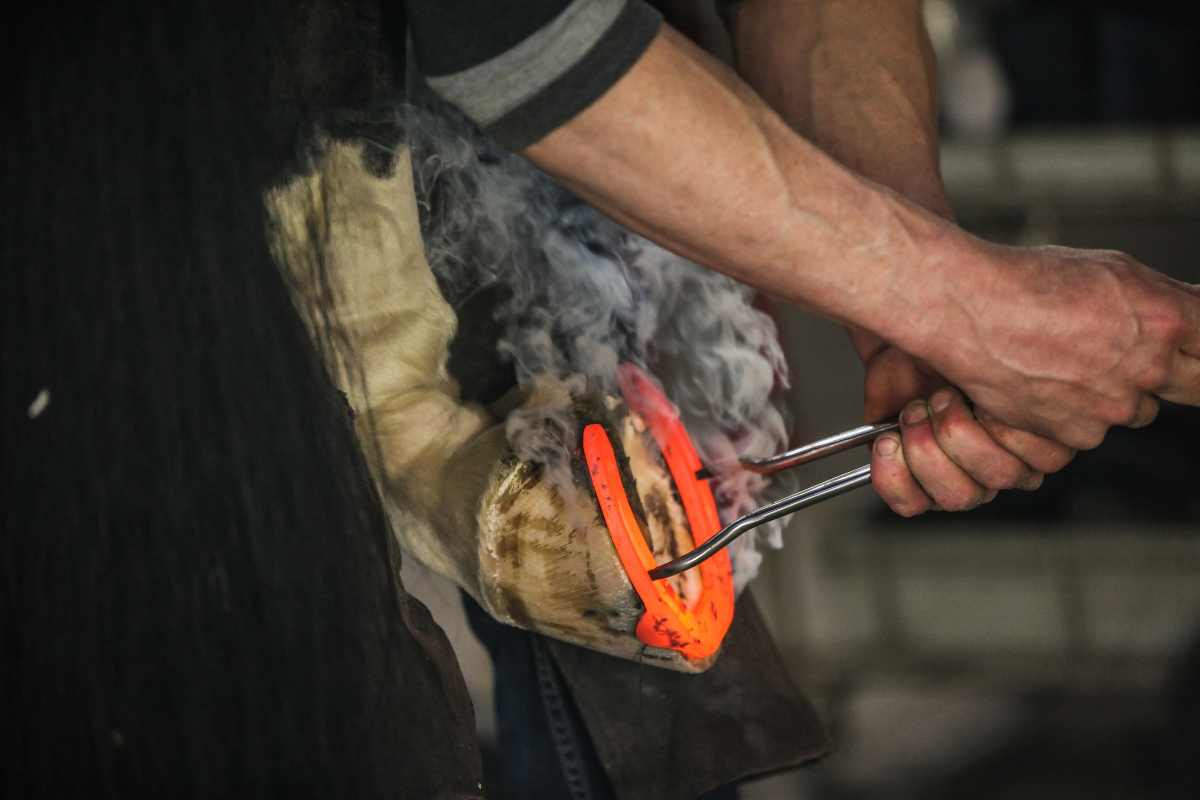
Have you ever been hanging out at the barn when suddenly you smell something... interesting? Like burning hair mixed with hot metal? And then you see a thick cloud of smoke coming from the crossties?
Don't panic! That just means the farrier is here!
The first time I saw that smoke, I thought the barn was on fire. I was ready to sound the alarm when Great Aunt Maxine laughed and said, "Relax, Gabby. That's just the farrier fitting new shoes."
Now the farrier is one of my favorite people to watch work. They're like a blacksmith, veterinarian, and artist all rolled into one!
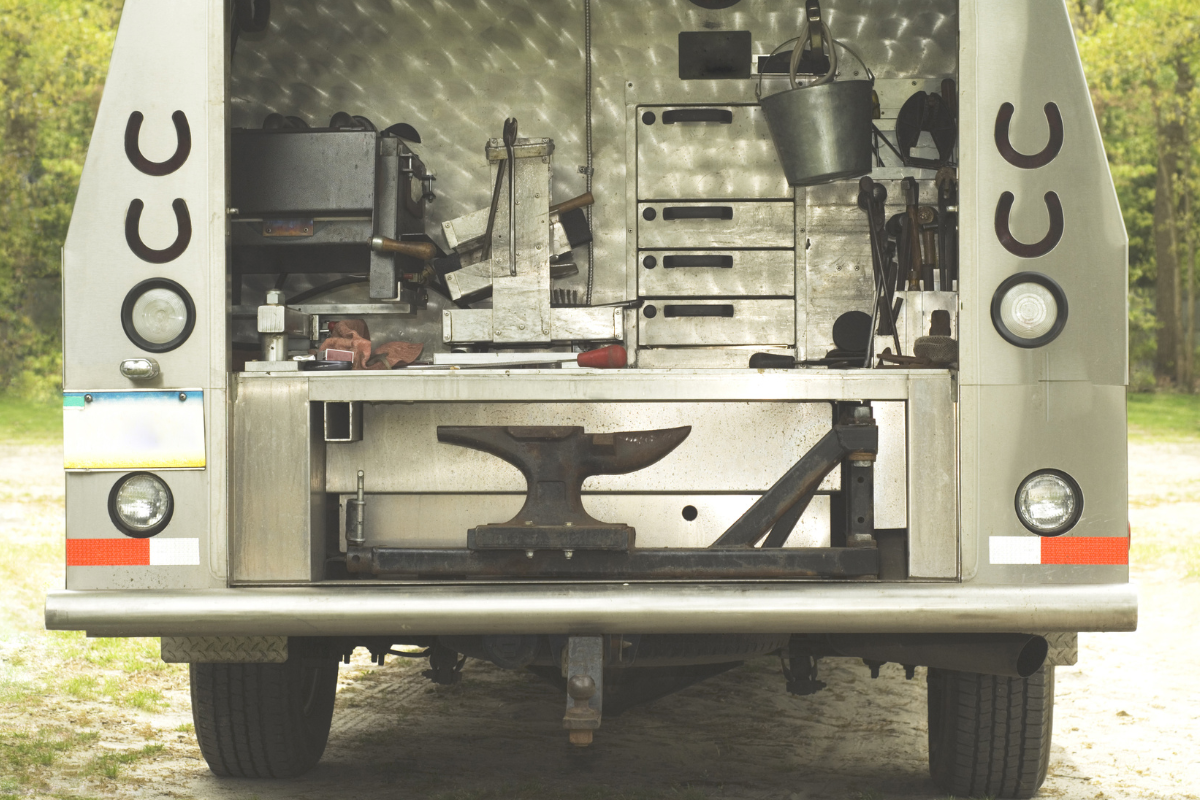
What Exactly is a Farrier?
A farrier is a person who specializes in equine foot care - basically, they're experts at taking care of horse hooves and putting on horseshoes.
Great Aunt Maxine says farriering is one of the oldest trades in the world! And it makes sense - as long as humans have been working with horses, they've needed people who know how to keep those hooves healthy.
Why hoof care is SO important:
Prevents horses from getting injured
Protects hooves from wear and tear
Helps horses move better and faster
Keeps horses comfortable and sound
You know that saying "no hoof, no horse"? It's totally true! A horse with bad feet can't do anything - can't be ridden, can't work, sometimes can't even walk comfortably.
The Ancient History of Horseshoes
Okay, so when did farriers actually become a thing? Great Aunt Maxine pulled out her history books (again!) and told me this cool story.
Ancient Asia (thousands of years ago): People would weave plants into protective shoes and tie them around horses' hooves. These plant shoes protected the hooves AND could be used as therapy to help with sores.
Ancient Italy (400 BCE - over 2,500 years ago): Archaeologists found horses buried in tombs wearing actual shoes! These were some of the earliest horseshoes ever discovered.
Back then, most people didn't have fancy metal shoes for their horses. If you owned a horse, you probably did the hoof trimming yourself!
Before professional farriers existed:
Horse owners trimmed their own horses' hooves
They made protective coverings from plants and rawhide
The Romans called these "hipposandals" (how cool is that name?!)
Nailing metal shoes onto hooves came MUCH later, after people had access to materials like iron, steel, and aluminum.
How the Roman Military Created the Farrier Profession
The Romans used horses for warfare. These war horses had to carry soldiers wearing HEAVY armor and weapons, sometimes for long days and long distances.
The Roman military took blacksmiths and said, "You're going to focus ONLY on horses." These specialized blacksmiths became the first true farriers.
Roman military farriers did MORE than just hooves:
Trimmed and shod horses
Treated sick horses
Cared for wounded horses
Kept cavalry horses healthy and strong
By 1356 in London (about 670 years ago), farriers became an official profession with standards, training, and professional pride.
Great Aunt Maxine says this is why good farriers are so valuable today - they're part of a tradition that goes back hundreds of years!
Farriers Are Jacks of All Trades
You might think farriers just nail shoes onto hooves and call it a day. NOPE!
Farriers are like:
Welders (working with hot metal)
Forgers (shaping metal)
Toolmakers (making their own tools!)
Shoemakers (creating custom shoes)
Mini veterinarians (diagnosing hoof problems)
Farriers need to know:
Horse anatomy (all the body parts)
How to diagnose lameness (when a horse is limping)
How to fix hoof problems
How to work safely around horses
How to read a horse's mood and behavior
I'm exhausted just LISTING all that!
What Happens During a Farrier Appointment?
Let me walk you through what happens when the farrier comes. I've watched our farrier work dozens of times, and it's honestly fascinating!
Step 1: Pick Out the Hooves
The farrier cleans all the dirt and rocks out of the hoof.
Step 2: Remove the Old Shoes
The farrier carefully pulls off the old shoe. This doesn't hurt the horse - it's like us taking off our shoes!
Step 3: Remove Dead Sole and Frog
The farrier trims away any dead or flaky parts of the hoof bottom. This is like when you trim dead skin from your feet - totally painless!
Step 4: Trim the Hoof Wall
The farrier uses giant nippers (like huge nail clippers) to trim extra hoof growth. Hooves grow constantly, like our fingernails!
Step 5: File and Shape the Hoof
The farrier uses a big file called a rasp to smooth out rough edges and make sure the hoof is perfectly level.
Step 6: Treat Any Problems
If there are small cracks or chips, the farrier patches them with hoof glue or putty.
Step 7: Heat and Shape the Shoe
This is the COOLEST part (well, actually the HOTTEST part)!
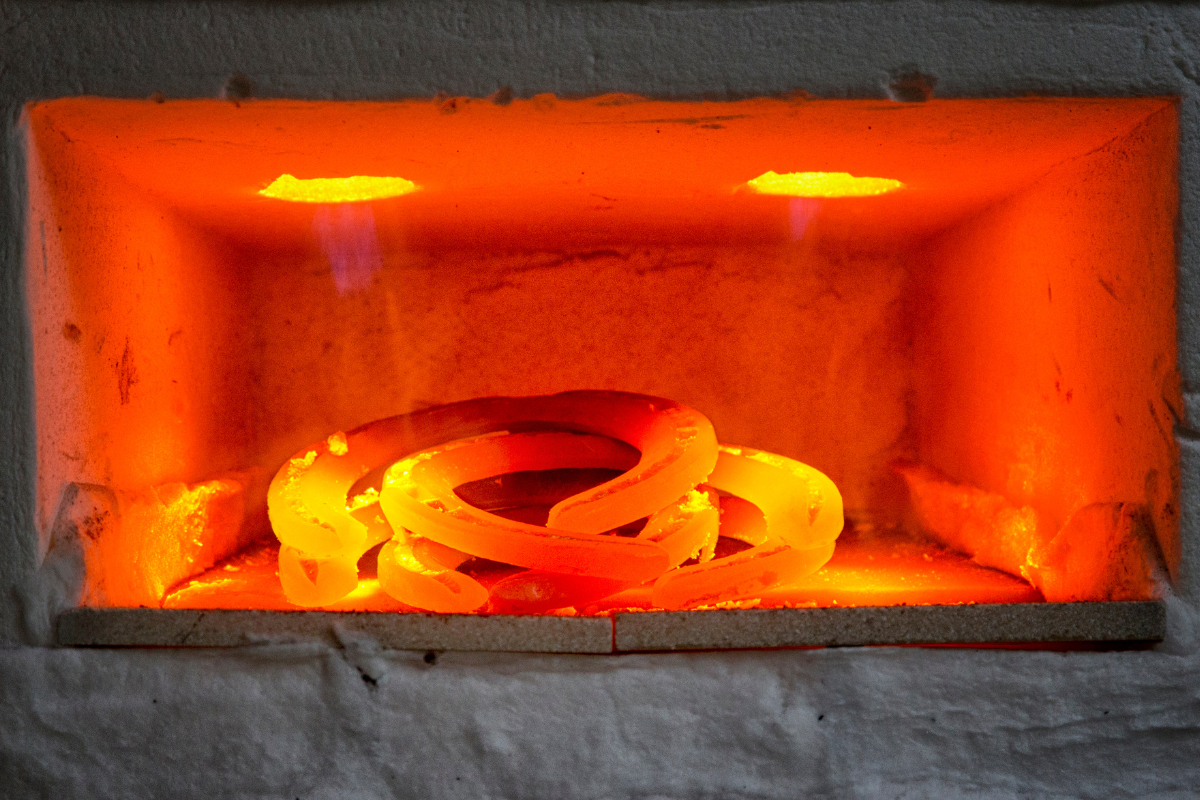
The farrier heats a shoe in the forge until it's glowing orange-red. Then they hammer it on an anvil to shape it perfectly for that specific hoof.
This is where that big cloud of smoke comes from!
When the farrier puts the hot shoe against the hoof to check the fit, it creates that burning smell and smoke. Don't worry - it doesn't hurt the horse at all! The hoof has no feeling in the hard outer part, just like your fingernails.
Once the shoe fits perfectly, the farrier dunks it in a bucket of cold water. SIZZLE!
Step 8: Nail the Shoe On
The farrier nails the shoe onto the hoof. The nails go through the hard outer wall of the hoof (which has no feeling) and the farrier bends the extra nail bits over to keep the shoe in place.
I was SO worried the first time I saw this that it would hurt the horse. But Great Aunt Maxine explained that if the farrier knows what they're doing, the nails go through the part of the hoof that has no nerves!
Total time for all four hooves: Usually 1-2 hours.
How Often Should a Farrier Visit?
General rule: Every 4-8 weeks
Every 8 weeks:
Horses that don't wear shoes (barefoot horses)
Horses that aren't ridden often
Every 4 weeks:
Horses that are ridden a lot
Show horses during competition season
Working horses
Emergency visits:
Horse loses a shoe
Horse shows up lame (limping)
Hoof develops a problem
Great Aunt Maxine schedules our barn horses on a 6-week cycle, which works perfectly!
How to Become a Farrier
After watching our farrier work, I got really curious about how someone learns to do all this!
There are two main ways:
Apprenticeship (Most Common)
Find an experienced farrier who's willing to teach you
Work with them as a student (could be several years!)
Learn by watching and practicing
Eventually work on your own
Farrier School
Attend classes and take tests
Do hands-on practice
Complete an apprenticeship
Get certified
Skills You Need to Learn
Hoof Health:
Identify thrush (a bacterial infection)
Spot and treat abscesses
Diagnose different types of lameness
Encourage healthy hoof growth
Horse Handling:
Work safely around horses
Manage horses that spook easily
Read horse body language
Deal with behavior issues
Technical Skills:
Welding and forging
Tool making
Shoe fitting and shaping
Correct hoof imbalances
Why Farriers Are So Important
Farriers aren't just people who nail shoes onto horses. They're part blacksmith, part veterinarian, part artist, and ALL essential to horse health.
Just like people, horses' feet are a huge part of their health.
If YOUR feet hurt, everything is miserable, right? Same with horses!
A good farrier:
Keeps horses comfortable and sound
Prevents injuries
Catches problems early
Helps horses perform their best
Farriers have been around for centuries helping horses, and they're just as important now as they were hundreds of years ago.
Great Aunt Maxine says: "Never underestimate the value of a good farrier. They can make or break a horse's soundness."
Fun Farrier Facts!
The word "farrier" comes from the Latin word "ferrum" which means iron
Forges can heat metal to over 2,000 degrees Fahrenheit
An experienced farrier can shoe a horse in about 30-45 minutes
The smoke when hot-fitting a shoe is actually steam from moisture in the hoof - it doesn't hurt at all!
What Do You Think?
I want to hear from you, fellow barn rats:
Have you ever watched a farrier work on your horse?
Did the smoke and smell freak you out the first time? (It did for me!)
What's the coolest thing you've seen a farrier do?
Leave a comment below and let's chat! And if you found this helpful, share it with your barn friends.
Until Next Time Barn Rats . . .
Stay curious, stay brave, and stay barn-tastic!
Your friend from the barn, Gabby Tabby 🐭💜
Love learning about horses? Join Barn Rats Club for exclusive educational content, printables, and a community of horse-crazy kids! Only $10/month.
