
Hey there, Barn Rats!
Gabby Tabby here, peeking out from under my straw blanket with a warm mug of (rat-sized) cocoa! Winter has blown through the barn doors, and that means one very important thing for our four-hoofed friends — hay season!
While humans might crave soup and mittens, horses rely on good hay to stay cozy and strong all winter long. But not all hay is the same — different types have different nutrients, smells, and textures that can make a big difference in how a horse feels. Let’s whisker our way through the hayloft and learn all about it!
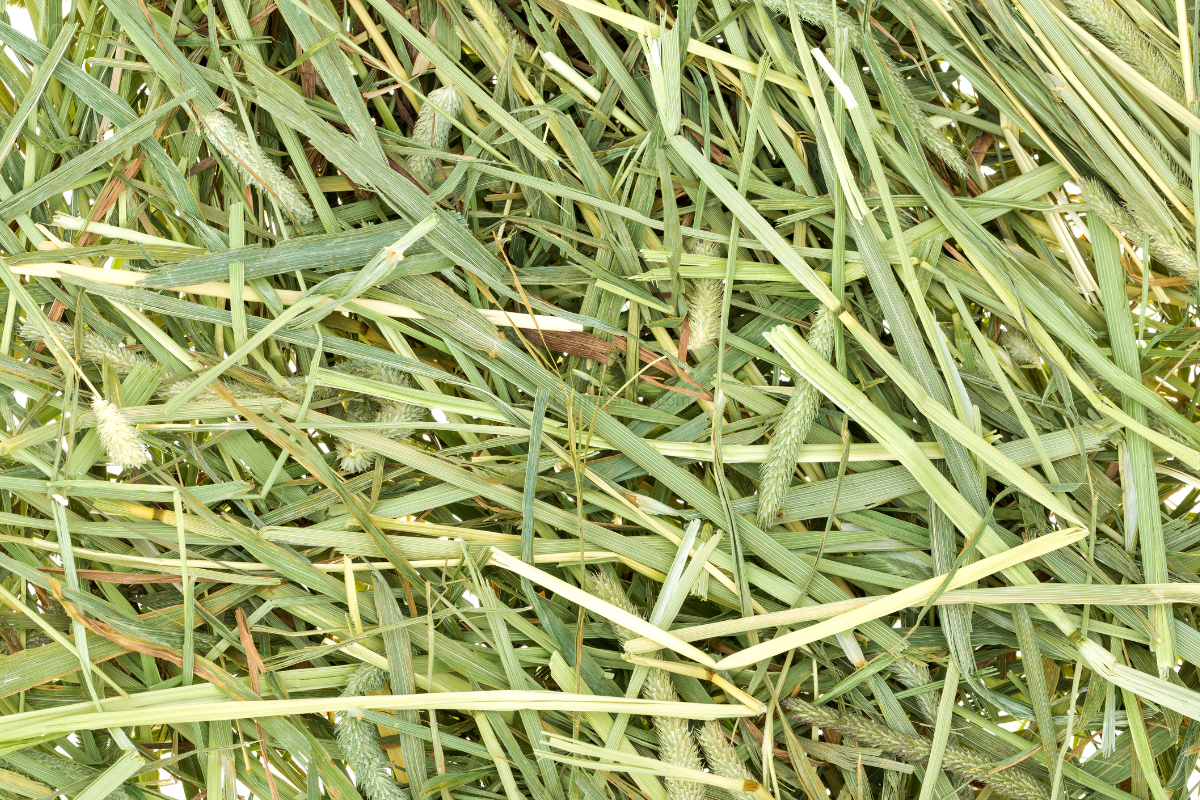
1. Timothy Hay — The Tried-and-True Favorite
This is the classic hay you’ll find in most barns. It’s tall, coarse, and full of fiber — kind of like a big green salad for horses!
Why it’s great:
High in fiber, low in sugar — gentle on the stomach.
Keeps a horse’s digestive system running smoothly.
Smells fresh and earthy (mmm, like sunshine in a bale!).
Best for: Adult horses who don’t need extra calories but still want to munch all day. Perfect for maintaining a healthy weight and preventing boredom in the stall.
Gabby’s Tip: Make sure it’s a nice green color with soft stems. Brown, dusty hay can make horses cough or sneeze!
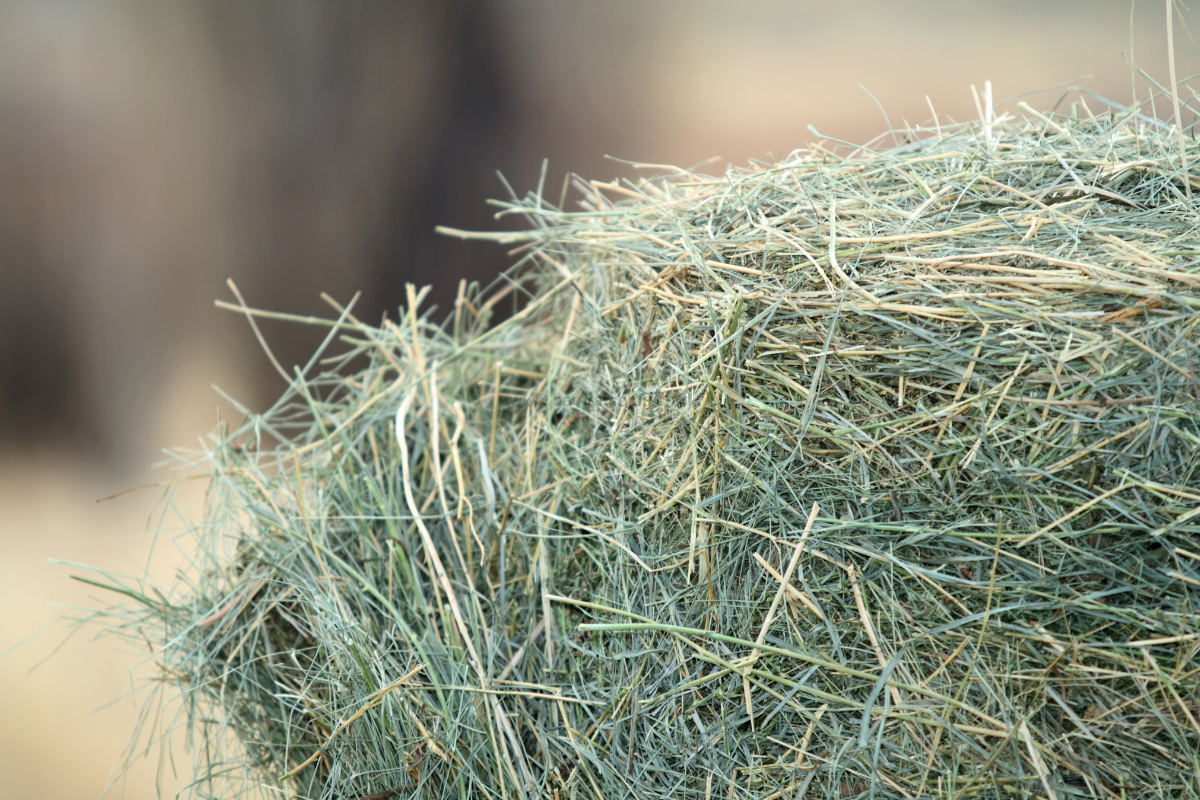
2. Alfalfa — The Powerhouse Hay
Alfalfa isn’t a grass — it’s a legume, like peas or beans! That’s why it’s rich in protein, calcium, and energy. You’ll recognize it by its dark green leaves and sweet smell.
Why it’s great:
Builds muscle and supports weight gain.
Tasty and full of nutrients for hardworking or growing horses.
Its higher calcium content helps buffer stomach acid — great for horses prone to ulcers.
Best for:
Young, growing foals
Nursing mares
Hard-working horses or those that need to gain weight
Gabby’s Tip: Because alfalfa is so rich, it’s usually mixed with a lighter hay like timothy or orchard grass. Too much can make a horse “hot” or excitable — kind of like giving a kid too much sugar!
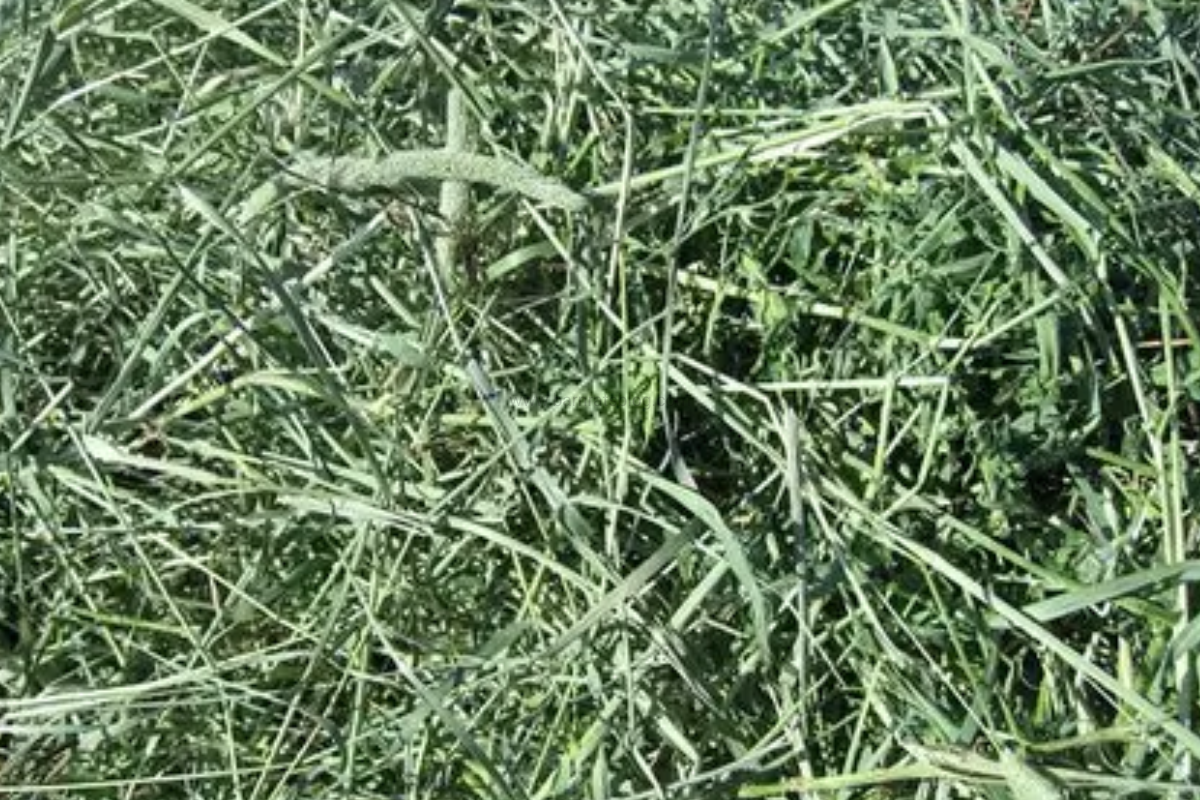
3. Orchard Grass — The Sweet & Silky Favorite
Orchard grass is softer and leafier than timothy. It’s packed with energy but still gentle on the belly.
Why it’s great:
High leaf-to-stem ratio = super palatable.
Slightly higher in calories than timothy, but still balanced.
Dust-free and great for horses with respiratory allergies.
Best for: Picky eaters or horses that need a little more energy without going full “alfalfa mode.”
Gabby’s Tip: Smell it before you feed it — fresh orchard grass should smell sweet and grassy, never musty or sour.
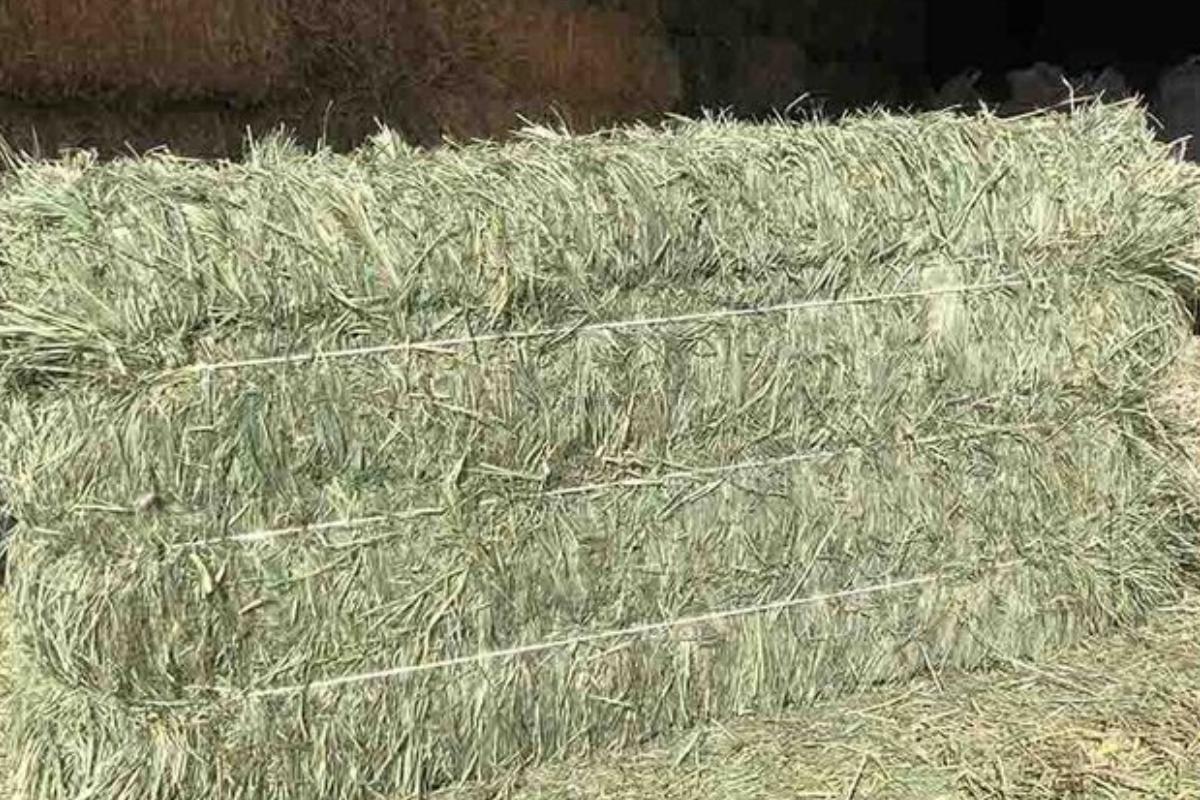
4. Mixed or Meadow Hay — The Mystery Mix!
This hay is like the “trail mix” of the horse world! It might include timothy, orchard, clover, rye, and other native grasses that grow together in a pasture.
Why it’s great:
Adds variety to the diet.
Can be nutritious if harvested at the right time (before it gets too mature).
Often more affordable than single-type hay.
Best for: Easy-keeping horses who need maintenance hay rather than extra calories.
Gabby’s Tip: Because mixed hay varies a lot, always check for color, texture, and smell. Avoid bales with mold, weeds, or dusty patches — those can lead to coughing, colic, or worse.
Winter Feeding Tips: Keeping Horses Healthy in the Cold
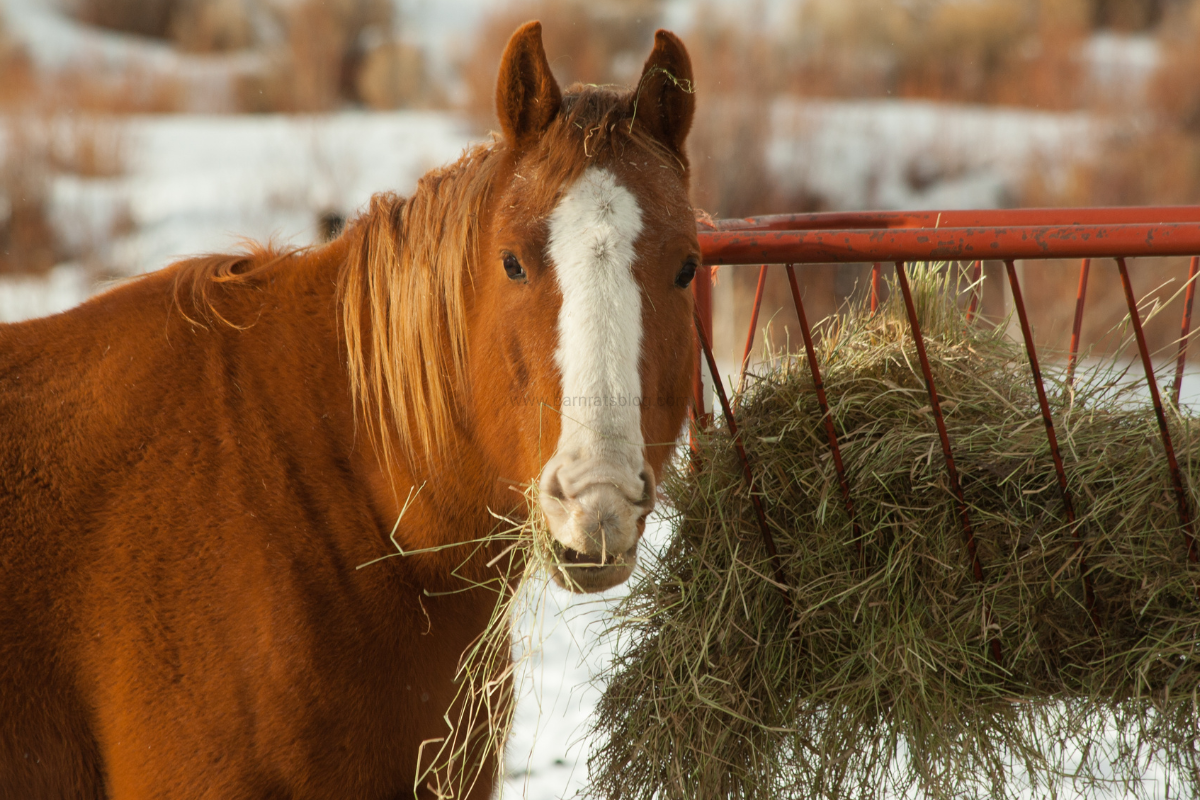
When the temperature drops, horses use up more calories to stay warm — kind of like how I need an extra pawful of oats when the snow piles up outside! That’s where hay becomes a horse’s built-in heater.
1. Feed More Hay, Not More Grain.
As hay breaks down in a horse’s belly, it creates heat through digestion. This “slow burn” helps regulate their body temperature naturally. Grain might give quick energy, but hay keeps them warm longer!
2. Keep Hay Clean and Off the Ground.
Wet, frozen, or muddy hay can grow mold that’s invisible to the eye. Feeding from a hay net, rack, or slow feeder box keeps hay dry and makes horses eat more slowly — just like grazing in the pasture.
3. Don’t Forget Water!
Cold water might seem refreshing to us, but many horses drink less when it’s icy. Less water = higher risk of impaction colic (ouch!). Use heated buckets, break ice often, or add a splash of warm water to encourage sipping.
4. Spread Out Feedings.
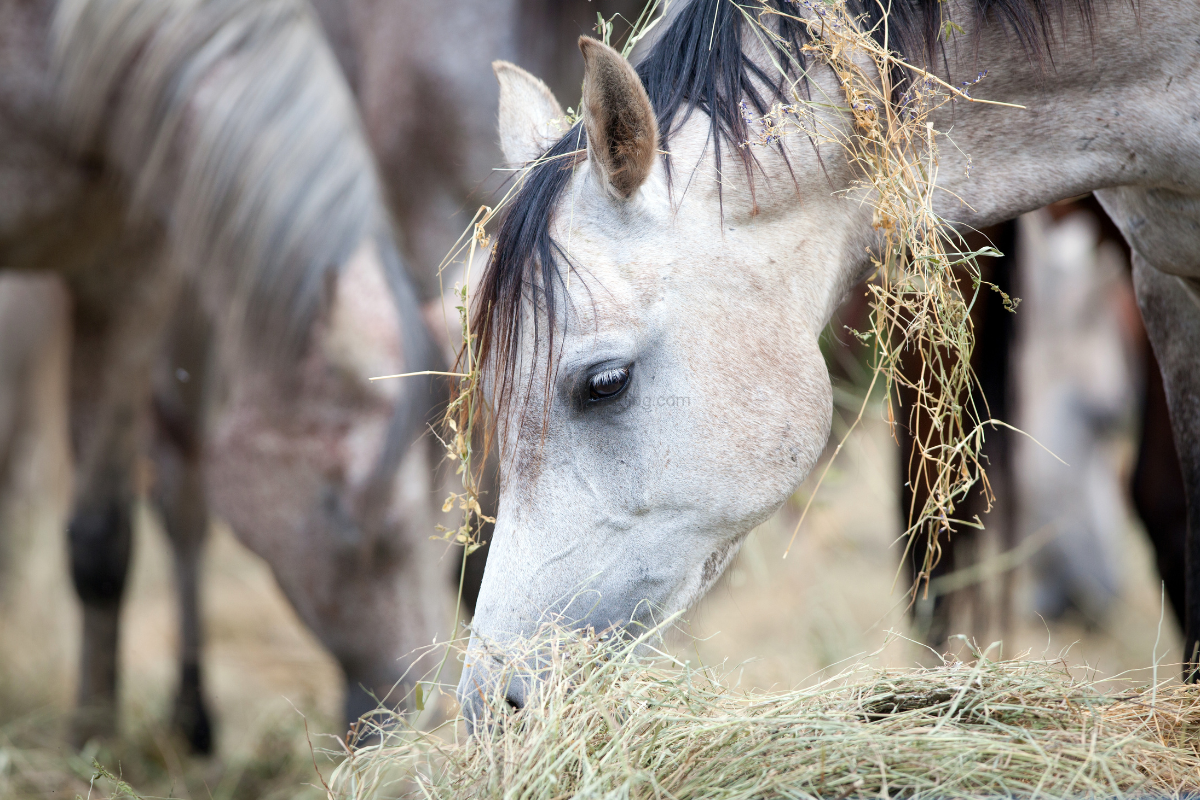
Horses are happiest when they can munch throughout the day. Multiple small feedings keep their digestion steady and reduce boredom in the stall. A hungry horse is a grumpy horse!
5. Check Body Condition Weekly.
Fluffy winter coats can hide weight loss. Run your hands along the ribs and hips to feel if your horse needs a bit more hay (or maybe just an extra hug).
6. Store Hay the Smart Way.
Keep bales on pallets or a wooden base to prevent moisture from creeping up. Cover them but make sure there’s airflow — trapped moisture = moldy hay. And moldy hay = sick horses (and sneezing rats!).
Hay isn’t just horse food — it’s winter fuel! Each strand carries the warmth of summer sunshine, stored away to keep horses cozy when the snowflakes fall. Whether it’s timothy, alfalfa, or orchard grass, every flake tells a story of care, balance, and barn love.
So next time you toss a bale into the stall, give it a little sniff, shake it out with pride, and say:
“Here’s to warm bellies, full tummies, and happy horses!”
Until Next Time Barn Rats . . .
Stay curious, stay kind, and stay barn-tastic!
Gabby Tabby 💜
